
When a burner trips offline, the immediate assumption is often that the burner itself has failed. While that’s the most visible symptom, it’s rarely the true cause. Burner trips reflect a safety system doing its job—protecting equipment and personnel when something in the combustion process falls out of acceptable limits. Understanding those limits, and the interconnected systems that influence them, is key to solving the problem rather than just swapping parts.
A burner is only one element in a broader combustion system that includes fuel supply, controls, air delivery, and monitoring instrumentation. When a trip occurs, each of these areas deserves attention. The assumption that replacing burner hardware will resolve the issue often leads to unnecessary expense and ongoing downtime. Instead, a methodical look at the entire system helps pinpoint root causes more effectively.
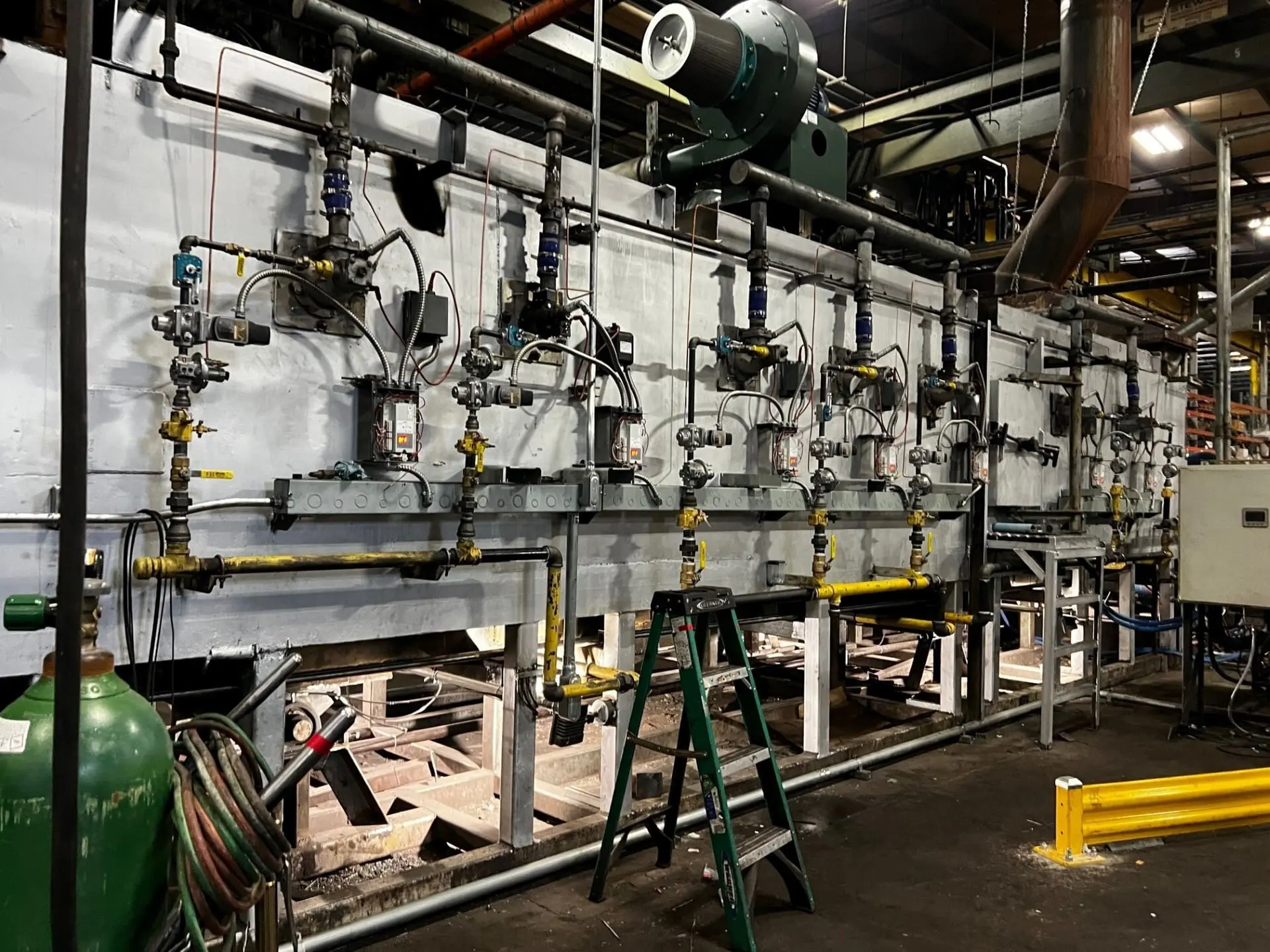
Valve train issues are one of the most common contributors to burner trips. The valve train governs fuel flow, pressure, and sequencing, ensuring safe startup and stable combustion. If valves leak, actuators lag, or regulators drift, the burner may fail to achieve the correct air-to-fuel ratio. Even a minor deviation can trigger a flame loss or incomplete combustion event that the safety system interprets as unsafe. Thorough testing, calibration, and periodic leak checks are therefore essential parts of reliable burner operation.
Another frequent cause lies in the flame safeguard system. These devices are designed to monitor flame presence, control purge cycles, and enforce interlocks. Misconfiguration, wiring faults, or sensor misalignment can all lead to nuisance trips. Because modern flame safeguards incorporate programmable logic, small software or timing adjustments can result in meaningful differences in performance. Simply replacing components without checking system logic could mask deeper control issues.
Ignition components are also easy to overlook. Weak spark transformers, carbon-tracked plug wires, or worn igniters can result in unreliable light-off, especially under cold or humid conditions. Routine inspection and replacement of ignition hardware based on run time rather than failure extends reliability and minimizes unplanned shutdowns.
Finally, combustion air is often the missing link in troubleshooting. Poor duct design, clogged filters, damper misalignment, or variable fan speed can deprive the flame of adequate oxygen. Because airflow problems sometimes develop gradually, operators might not notice the degradation until trips become frequent. Verifying air pressure, damper position feedback, and fan performance is as critical as checking gas pressure.
When faced with recurring burner shut downs, technicians should resist the temptation to treat the burner as an isolated component. Effective troubleshooting demands a holistic approach that considers the entire combustion system and its controls. That’s why partnering with experienced combustion specialists makes a difference: they bring the tools, training, and perspective to diagnose the true cause rather than just the symptom.
Reliable burner operation is the product of a well-tuned system. By understanding the complex interactions between fuel, air, and control, facilities can prevent unnecessary downtime, improve safety, and extend equipment lifetime without replacing parts that were never broken in the first place.